


Let Tea Be Thy Medicine - Which Tea Is The Right Remedy For What Ails YOU
Quick Answer
Teas have been used for centuries to aid ailments, boost energy, improve cardiovascular health, fight disease, and much more. So, today we’re looking at a variety of teas, both true teas and herbal options, briefly examining the beneficial properties of some popular teas as well as detailing those which may bring relief or aid to a variety of specific needs.
Key Takeaways
- Let Tea Be Thy Medicine - examination of some popular teas (black, green, white, and herbal), looking at a few basics as well as the properties which give these teas their health-improving ‘powers’
- Particular Teas For Particular Needs - listing those teas which have long been lauded for bringing desired aid or benefit to the following areas: energy and focus, headaches, digestive distress, menstrual pain, stress, and sleep
- A Few Extras - less in-depth, listing particular teas known to meet specific needs
- Is the warm cup of black tea you enjoy in the morning a pleasurable pick me up, or something much more?
Then, there’s the afternoon cup of hibiscus tea you sip as you power through daily tasks - is this simply a tasty cup or are those sips rooted in something much greater?
Or, what about your evening enjoyment of chamomile, is this nighttime practice a routine cup of calm or could you actually be tapping into ancient medicinal benefits?
By the time you read the third question above, you likely noted the not-so-subtle nods given towards the powerful properties of tea.
Why would we drop such heavy hints? Because believe it or not, this beverage offers far more than palatable pleasure!
For centuries tea has been used around the world (particularly in eastern cultures) for its numerous medicinal properties.
Of course, most commonly, herbal teas are highlighted for such benefits, but you might be surprised to learn that some black teas also have a greater purpose than mere sipping satisfaction alone.
Today, we’d like to explore these vast benefits, looking at everything from black and green teas to many, many herbal tea selections which can provide multiple, even medicinal, rewards for the body.
Truly Revolutionary Tea. You'll Love The Taste To The Last Drop!
Champagne Bliss
Let Tea Be Thy Medicine
The practice of using tea as medicine is nothing new.
In fact, tea has had a place in folk medicine, rituals, and ancient wellness practices for thousands of years.
Most people typically associate herbal teas alone with such benefits, but while these brews indeed play a huge role in many ancient medicinal practices, even black and green teas have their place in…well…your medicine cabinet.
Today we’d like to dive into those benefits individually, looking at specific teas you can incorporate or use to remedy specific needs you may have, but first, we’re going to take a step back and examine the beneficial properties of various teas, highlighting why these leaves are so extraordinary.
First, it’s important to note that all tea comes from the Camellia sinensis plant.
The differences we recognize in teas simply come from how the plant’s leaves are processed once picked.
That’s right, while people tend to have polarizing opinions regarding which teas they prefer - black over green, sometimes oolong, only white when it’s in a blend, and on and on - these brews all have the same beginning.
The question is, does processing affect more than flavor?
Or, since all tea comes from the same plant, do the beneficial properties change from brew to brew?
Let’s find out as we look at a few popular teas…
1- Black Tea

Black tea is produced through “quick and heavy” oxidation.
This is “a natural chemical reaction carried out by enzymes within the leaf that begin once they are exposed to air.”
All true teas go through some level of oxidation, but black tea gets its unique taste and color through high levels of oxidation, specifically.
While black tea originated in China, today we enjoy this variety from Sri Lanka, India, and Kenya as well, these black teas often possessing a flavor profile most suited for western preferences.
Black tea is a great source of antioxidants, specifically polyphenols.
And, consuming a clean, organic black tea can provide benefits pertaining to diabetes, obesity, and elevated cholesterol specifically, as the antioxidant activity associated with black tea can help to combat free radical damage, a contributing factor in multiple disease risks.
Some studies have even shown the polyphenol content of black tea to be beneficial to gut health, these findings revealing that people drinking 3 cups of black tea a day increased the amount of healthy gut bacteria thereby improving immune responses.
2- Green Tea

Green tea is easily recognizable due to its bright green color, and this is achieved through something known as firing.
To prevent oxidation, freshly picked tea leaves are fired, this being the first step in processing as opposed to a later step (as is the case in other teas, resulting in specific colors and flavors).
Green tea is typically known as a less caffeinated option, compared to black tea.
However, since all tea comes from the same plant, believe it or not, it actually has the same caffeine level as any true tea.
The difference here comes down to steeping.
When green tea is steeped for long periods of time, it becomes bitter, even astringent. Therefore, steeping time recommendations are shorter for green tea, this factor alone resulting in a less caffeinated cup (again, compared to black tea, which is steeped for longer periods of time).
Now back to oxidation, since green tea doesn’t oxidize, it has a potent amount of catechins, specifically EGCG, which is a powerful fighter against inflammation.
This is why you may recall regularly seeing more information regarding green tea’s antioxidant benefits than that of black tea.
Green tea, specifically, has also been linked to benefits which include supporting cellular health and fighting disease.
And, while this is due to this tea’s ability to neutralize free radicals, it’s commonly considered a far more potent aid than black tea.
Ancient Chinese medicine even regarded green tea as having a cooling effect on the body - able to clear heat (inflammation), reduce dampness, aid in digestion, and promote mental clarity.
3- White Tea

White tea is another popular variety, and this selection is not fired like green tea, but it’s also not intentionally oxidized as in the case of black tea.
Since white tea is minimally processed, it’s commonly viewed as a delicate tea, requiring less heat and less time when steeping.
And, if you recall from above, these methods in steeping alone are actually what account for the lower caffeine levels of white tea.
Due to the way white tea is processed, it retains the most antioxidants of any true tea, and this distinction produces benefits which differ from black and green teas.
White tea has been used for centuries, specifically for benefits associated with dental health, youthful skin (as it combats free radical damage associated with aging), and bone health.
But, its impressive antioxidant profile also provides benefits pertaining to heart health, diabetes, weight management, cancer, and more.
4- Herbal Teas

Depending on your preference, you may be thinking we saved the best for last in this brief tea overview, but before we dive into this category, we have a little bubble bursting to do.
While most of us enjoy sipping herbal teas, the truth of the matter is, these aren’t actually tea.
As we learned above, all true tea comes from the Camellia sinensis plant, and herbal teas, well, these are made from a variety of plants, spices, fruits, roots, or flowers, each of which is then dried and steeped as a tea.
However, we’re fine with ignoring this technicality as these inclusions are powerful tools in your wellness cabinet!
The most popular types of herbal teas include rooibos, ginger, peppermint, hibiscus, echinacea, and chamomile, each of which boasts benefits which aid a variety of ailments.
Like true teas, these inclusions begin as plants, most of which contain bioactive compounds such as polyphenols, flavonoids, and other phytochemicals which provide antioxidant, anti-inflammatory, antimicrobial, and other benefits which are extracted from the dried plant parts when you steep them in water.
But, enough with the introductions, right?
Let’s take some time now to look at the specific ways these brews - true teas or not - can help you!
Particular Teas For Particular Needs
As we covered a few of the most popular teas - black, green, white, and herbal - we were somewhat vague on purpose.
Why?
Because each of these magnificent mug-fillers can be used in very unique ways.
What we’ve learned from ancient practices, wisdom passed down over hundreds, even thousands, of years is that these leaves (and spices, fruits, roots, herbs, etc) can be used broadly in the ways we briefly covered above, but they can also be used particularly or specifically.
In other words, Apple may have coined the phrase “there’s an app for that,” but ancient wisdom has been echoing the phrase “there’s a tea for that” through practices passed down from year to year, country to country, and cure to cure.
Below you’ll find a list of these remedies, a medicinal map if you will, where tea is our guide to wellness…
For Energy And Focus

Due to the way it’s prepared, black tea can pack a more powerful punch in the caffeine category, and for this reason, many enjoy a boost of energy and enhanced focus when sipping black tea.
Black tea’s L-Theanine content is said to not only improve focus by increasing alpha-activity in the brain but also bring a marked calmness alongside this effect, leading many to describe this benefit as a clearer type of focus than other caffeinated sources.
Ashwagandha tea is commonly made from the root of the plant, and its stress relieving benefits are commonly associated with an increase in focus, as stress can cloud cognitive abilities.
Other herbal teas, such as peppermint, ginger, rosemary, and holy basil are also associated with the benefit of improved mental clarity and focus as each of these adaptogens can fight fatigue and increase alertness.
For Headaches

When headaches strike, for some this can stop everything (to-do lists, plans, sleep, and more).
Thankfully, many teas have successfully brought relief for even the most painful episodes.
Personally, my favorite headache-relieving tea is peppermint tea.
This benefit is closely linked to why peppermint tea also brings mental clarity and focus, as this herb - due to its high menthol content - acts as a muscle relaxer and analgesic.
Peppermint tea also improves blood flow and soothes nerve-related inflammation, each of which is highly effective in bringing relief to tension headaches.
Likewise, though sometimes considered a little less potent, chamomile, lavender, ginger, turmeric, and clove teas have also been shown to improve the pain associated with a headache.
Each of these herbal teas are known for their anti-inflammatory benefits as well, and as inflammation can be a root of headache pain, these can provide needed relief in this regard.
We’ll go into the stress-relieving benefits of some of these teas in a moment, but as stress can certainly be a contributing factor in headache pain, teas made from lavender and chamomile flowers can also bring needed aid.
For Digestive Distress

Digestive distress covers a range of symptoms, including everything from a stomach-ache to heartburn, nausea, diarrhea, and more.
And, just as this broad category covers many ailments, there are a wide variety of teas, mostly herbal, which can bring relief to this particular area.
Raspberry leaf, chamomile, peppermint, ginger, green, and black teas have all been used for the relief they bring to those experiencing diarrhea.
For stomach pain, gas, and ingestion due to ulcers, green tea has been found to bring powerful relief.
When nausea and vomiting are a concern, ginger, peppermint, and chamomile teas each aid your body by soothing and relaxing the digestive muscles.
Then, adding to this list, both dandelion and spearmint teas can bring overall digestive relief and wellness.
And, when you’re specifically dealing with stomach pain, gas, and bloating related to digestive distress, lemon balm, peppermint, ginger, fennel, licorice root, and chamomile teas have been used for centuries to cure these ailments.
For Menstrual Pain

As any woman can tell you, menstruation brings with it a range of less than desirable symptoms, including pain, cramping, bloating, headaches, and more.
When seeking needed relief, there are a variety of teas which can aid your body:
- For menstrual cramping, chamomile, hibiscus, and ginger teas have long been used to calm this pain.
- Chasteberry and red clover leaf teas are commonly used to support hormonal balance, especially during menstruation.
- For general PMS symptoms, both chamomile and ginger teas have been used to bring relief in regards to mood and general feelings of discomfort or malaise.
- And, when dealing with headaches associated with menstruation, any of the teas listed above can provide relief (peppermint, chamomile, lavender, ginger, etc.)
For Stress Relief

In today’s day and time, I feel like stress is an epidemic, a chronic plague on all “our houses.”
And, while Shakespearian literature can lighten the reality of what many deal with on a daily basis, tea has proven to bring much more aid to this area of life.
We generally associate calming teas with stress relief, and while this is entirely true, these herbal infusions, such as lavender, chamomile, and ashwagandha teas, only scratch the surface.
- Hibiscus tea brings stress relief due to its ability to reduce blood pressure and help your body physically relax.
- Peppermint tea helps to reduce both fatigue and tension (frustration), which provides stress relief.
- Lemon balm tea is known for its ability to calm anxiety which can lower stress levels as well.
- And, for an option that’s just as pretty as it is beneficial, butterfly peaflower tea has also been widely used for its ability to reduce anxiety and stress.
For Sleep

When it comes to sleep and tea, there are a few sips that likely stand out as these are widely known for their calming benefits.
Both lavender and chamomile teas have been lauded in this regard, particularly, for their ability to not only induce calm, but also simply help your brain/mind to unwind at the end of the day.
However, while these are the most widely known teas used for sleep, there are a few other options, backed by ancient wisdom and practice, which get to the heart of the matter of sleep disruption.
If sleep eludes you, try passionflower or lemon balm tea for better sleep quality.
For a powerful sedating effect, valerian root tea is a proven aid for deep sleep.
And, while green tea does have some caffeine (which is not advisable for caffeine-sensitive individuals), this option has been proven to help some folks sleep due to its L-Theanine content.
A Few Extras…
While we don’t have time to cover each of these in depth, we’d like to leave you with a few more areas where teas have been used in ancient medicine as well as modern holistic practices to provide aid or relief for a variety of needs.
- For chronic pain - turmeric tea, ginger tea, butterfly peaflower tea
- For respiratory health - eucalyptus tea, thyme tea
- For natural detoxification (liver, kidneys, etc.) - dandelion root tea, milk thistle tea
- To reduce water retention - dandelion root tea, nettle tea
- To enhance nutrient absorption - rooibos tea
- For menopause symptom relief - red clover tea, black cohosh tea
- For allergy symptoms - chamomile tea, nettle tea
- To reduce sugar cravings - cinnamon tea, licorice root tea
- For battling viral illnesses - echinacea tea, elderberry tea
- For improved oral hygiene - white tea, green tea, peppermint tea
- To soothe a sore throat - licorice root tea, slippery elm tea


FAQ
1- Are there any teas which should be avoided by some individuals?
As we’ve seen today, there are a wide variety of teas, both true teas and herbal teas, which provide relief for a number of ailments; however, it’s important to consult with your physician if you have any concerns about consuming a specific tea.
Generally speaking, those who are pregnant, nursing, or on any number of medications (including blood thinners, heart medications, etc.), should consult their doctor regarding any specific teas they should limit or avoid.
Golden Sand Serenity Tea
Golden Sands Serenity: The Egyptian Chamomile Tea That Whispers Peace
Shop Now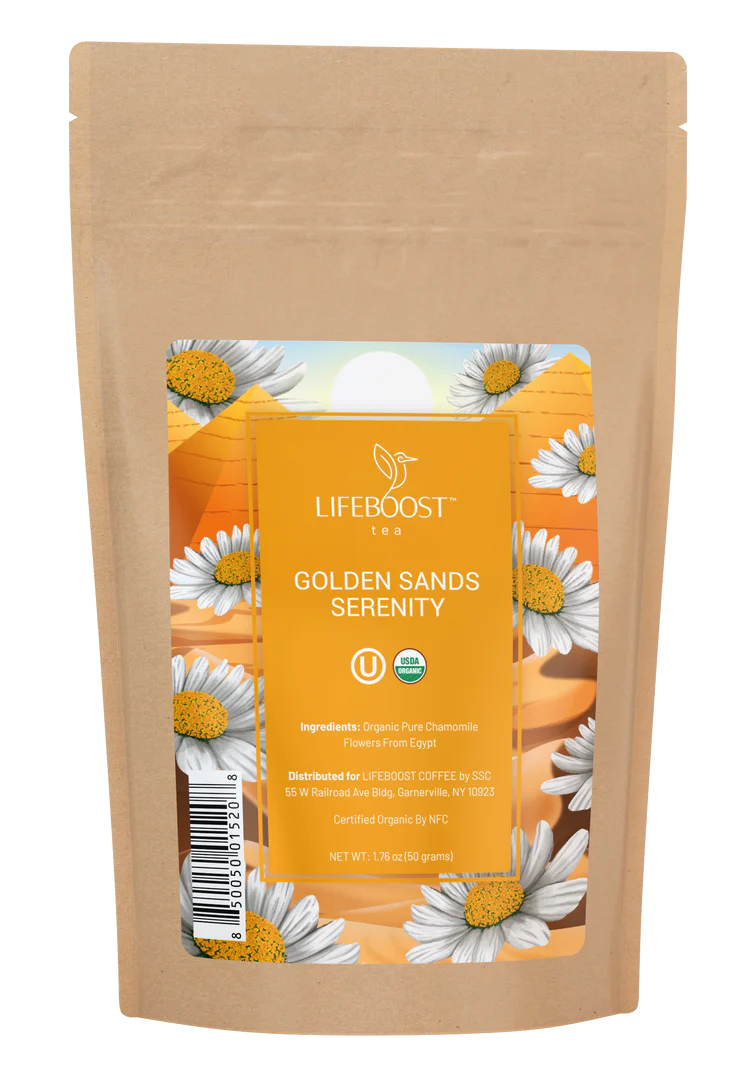
Medical Disclaimer: This content is for informational and educational purposes only. It is not intended to provide medical advice or to take the place of such advice or treatment from a personal physician. All readers/viewers of this content are advised to consult their doctors or qualified health professionals regarding specific health questions. Neither Dr. Charles Livingston nor the publisher of this content takes responsibility for possible health consequences of any person or persons reading or following the information in this educational content. All viewers of this content, especially those taking prescription or over-the-counter medications, should consult their physicians before beginning any nutrition, supplement or lifestyle program. Additionally, the way coffee is grown, low acid coffee, decaf coffee, as well as different roast types (light, medium, dark, etc.) can alter caffeine levels. If you have questions about the caffeine levels or pH levels of our coffee, please reach out to our team for clarification. If you have any concerns with how our coffee, or any product will affect you or your health, consult with a health professional directly.

Becky is a mother, educator, and content writer for Lifeboost Coffee. She has had three years’ experience as a writer, and in that time she has enjoyed creatively composing articles and ebooks covering the topics of coffee, health and fitness, education, recipes, and relationships.
- https://www.teasource.com/pages/types-of-tea (opens in new tab)
- https://revivalteacompany.com/2025/05/19/black-tea-vs-green-tea/ (opens in new tab)
- https://www.pingminghealth.com/article/562/chinese-green-tea-and-your-health/ (opens in new tab)
- https://www.healthline.com/nutrition/white-tea-benefits# (opens in new tab)
- https://www.health.harvard.edu/diet-and-nutrition/the-health-benefits-of-3-herbal-teas (opens in new tab)
- https://www.china-admissions.com/blog/the-7-best-traditional-chinese-medicine-teas-to-make-at-home/ (opens in new tab)
- https://knowleswellness.com/blog/traditional-medicinals-tea-health-benefits/ (opens in new tab)
- https://www.healthline.com/nutrition/black-tea-benefits (opens in new tab)
- https://www.uclahealth.org/news/article/6-health-benefits-of-drinking-black-tea (opens in new tab)
- https://www.manipalcigna.com/health-benefits/health-benefits-of-ashwagandha-tea# (opens in new tab)
- https://www.healthline.com/nutrition/herbs-for-energy#peppermint (opens in new tab)
- https://artfultea.com/blogs/wellness/best-teas-for-headaches-and-migraines (opens in new tab)
- https://www.healthline.com/nutrition/tea-for-bloating#ginger (opens in new tab)
- https://pmc.ncbi.nlm.nih.gov/articles/PMC10289109/ (opens in new tab)
- https://www.firebellytea.com/blogs/all/medicinal-teas? (opens in new tab)
- https://www.myteadrop.com/blogs/news/benefits-of-tea (opens in new tab)
- https://health.clevelandclinic.org/tea-for-sleep (opens in new tab)
- https://blog.providence.org/toyourhealthblogs/10-teas-to-soothe-what-ails-you (opens in new tab)
- https://theteahouseonlosrios.com/blogs/news/the-power-of-tea-100-health-and-wellness-benefits (opens in new tab)
- References for the article to confirm data and information.


