

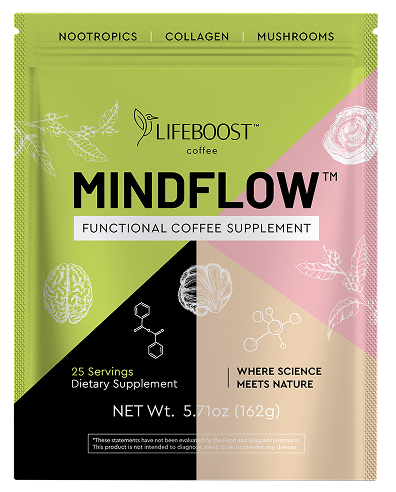


Mindflow Instant Coffee
The focus of a nootropic. The taste of low acid, premium Arabica. The cleanest energy you've ever felt.
Choose Your Supply

One-Time Purchase

3-Month Supply
$204.98 on every subsequent order

Subscribe & Save (Starter Kit)
Claim Your Starter Kit!
Your kit comes packed with everything you need to start your journey, plus a few FREE extras on us!
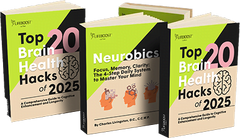
Brain Builder Kit
$30

Habit Tracker App
$15

Lifeboost Frother
$22
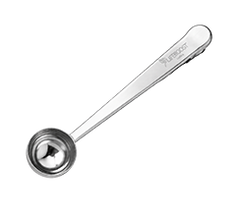
Metal Scoop
$8
60-Day Money-Back Guarantee
Real People, Real Results
See how Mindflow is changing daily routines across the globe.

Wade Critides

Cara Molina

Carla Purvis

Elena Bloomingdale
Choose Your Supply
Select the plan that fits your focus goals.

One-Time Purchase
1 Bag (25 Servings) No Free Gifts Standard Shipping

3-Month Supply (3-Bag Subscription)
3 Bags (75 Servings) FREE Shipping 2 FREE bottles of Deepflow Omega-3 (first order)

Subscribe & Save
FREE Lifeboost Frother FREE Metal Scoop FREE Habit Tracker App 1 Bag Delivered Monthly
Change or cancel anytime
Ingredient Cost Breakdown
What If You Bought Each Ingredient Separately?
Let's do some math... If you went to Amazon today and purchased each of these ingredients individually:
Buying Separately
- Instant Organic Coffee $20.00
- Organic Lion's Mane Extract $22.00
- Organic Chaga Extract $22.00
- CognatiQ® Coffee Fruit $40.00
- Alpha-GPC $25.00
- Bovine Kosher Grassfed Collagen $20.00
- Electrolytes $20.00
MINDFLOW
-
Instant Organic Coffee -
Organic Lion's Mane Extract -
Organic Chaga Extract -
CognatiQ® Coffee Fruit Extract -
Alpha-GPC -
Bovine Kosher Grassfed Collagen -
ElectroPrime® Electrolytes
Validated Purity
Targeted Performance
CognatiQ®
Derived from whole coffee fruit. Clinically shown to support BDNF (Brain-Derived Neurotrophic Factor), essential for learning and memory.
Alpha-GPC
A highly bioavailable source of choline. Supports Acetylcholine production, the neurotransmitter for attention and signal speed.
Lion's Mane
100% Organic Fruiting Body. Supports Nerve Growth Factor (NGF) and mental clarity without the psychedelic effects.
ElectroPrime®
Hydration is focus. Our electrolyte blend offsets the diuretic effect of caffeine to keep your neurons firing.
Collagen
Supports a healthy gut-brain connection and structural foundation, because focus starts from within.
Low Acid Arabica
Smooth, natural caffeine to spark your brain into action-without the harsh edge of synthetic sources.
Chaga
Organic fruiting body mushroom rich in natural antioxidants that help support the body’s defenses against everyday oxidative stress.
"Mindflow was created to give people a clean, research-supported way to feel mentally sharper and more focused throughout the day without the crash."
The 30-Second Ritual
A smarter morning in three simple steps.
SCOOP
Add one scoop of Mindflow to your favorite mug. Add warm or cold water.
FROTH
Use your free high-speed frother to mix it in seconds. No clumps, just crema.
IGNITE
Customize with milk or ice. Feel the clean energy kick in within minutes.
Don't Just Take Our Word For It
"As a healthcare provider, I’m mindful about what I use daily. I appreciate that Mindflow is thoughtfully formulated with researched ingredients and a focus on quality and testing. It delivers smooth, steady mental energy and supports clarity without feeling overstimulating. It fits easily into a busy day and aligns with a health-conscious, intentional approach to supporting focus and mental performance. It’s instant, it’s easy and it tastes good!"
"Mindflow is a great start to the day. It left me energized but also focused, without the jittery feeling of lots of coffees. I appreciate that Lifeboost has added electrolytes, adaptogens, and collagen for the optimal morning beverage. It mixes into water very easily and has a smooth taste! I would recommend it to anyone looking to level up their morning coffee game."
"Since my husband is the coffee connoisseur of the house I figured he was the perfect person to try mind flow coffee with first. He first noticed the taste and said the flavor was great without the normal acidity of coffee, a very balanced rich flavor. Then he noticed the effects including no crash, mental clarity, sustained energy throughout the day. He is definitely a fan! Thank you for creating such an amazing brain supporting drink!"
FAQ
References:
[1] Raz, N., et al. (2005). Cerebral Cortex.
(Full references included in design)
[1] Raz, N., et al. (2005). Regional brain changes in aging healthy adults: general trends, individual differences and modifiers. Cerebral Cortex, 15(2), 167–179.
[2] Mitchell, G.F., et al. (2007). Arterial stiffness, pressure and flow pulsatility and brain structure and function. Brain, 130(Pt 4), 1513–1523.
[3] Fotenos, A.F., et al. (2005). Normative estimates of cross-sectional and longitudinal brain volume decline in aging and Alzheimer’s disease. Neurology, 64(6), 1032–1039.
[4] Jack, C.R. Jr., et al. (2010). Hypothetical model of dynamic biomarkers of the Alzheimer’s pathological cascade. Lancet Neurology, 9(1), 119–128.
[5] Varani, J., et al. (2006). Decreased collagen synthesis and increased degradation: A mechanism of cutaneous aging. Experimental Gerontology, 41(10), 932–939.
[6] Quan, T., et al. (2010). Matrix-degrading enzymes in photoaging. Journal of Investigative Dermatology Symposium Proceedings, 15(1), 20–24.
[7] Tapia-Arancibia, L., et al. (2008). New insights into brain BDNF function in normal aging and Alzheimer’s disease. Brain Research Reviews, 59(1), 201–220.
[8] Chaudhury, D., et al. (2013). Association of low serum BDNF levels with dementia and cognitive decline in older adults. Neurology, 80(9), 855–862.
[9] Zeisel, S.H. (2006). Choline: critical role during fetal development and dietary requirements in adults. Annual Review of Nutrition, 26, 229–250.
[10] Conklin, A.I., et al. (2007). Choline intake and cognitive performance in older adults. The American Journal of Clinical Nutrition, 85(6), 1583–1591.
[11] McCord, J.M. (2004). Role of antioxidants in the aging process. Journal of Gerontology, 59(10), 945–949.
[12] Finkel, T., & Holbrook, N.J. (2000). Oxidants, oxidative stress and the biology of ageing. Nature, 408(6809), 239–247.
[13] Dityatev, A., & Schachner, M. (2010). Extracellular matrix molecules and synaptic plasticity. Nature Reviews Neuroscience, 11(10), 735–746.
[14] Swanson, D., Block, R., & Mousa, S.A. (2012). Omega‑3 fatty acids: evidence basis for treatment and future research in psychiatry. Journal of Clinical Psychiatry.
[15] Burckhardt, B., et al. (2017). Dosage and efficacy of EPA/DHA in fish oil supplements: A clinical perspective. Nutrition Reviews.
[16] Albert, B.B., et al. (2018). The biochemical advantages of triglyceride‑form omega‑3 supplements. Lipids in Health and Disease.
[17] Kris‑Etherton, P.M., et al. (2002). Fish consumption, fish oil, omega‑3 fatty acids, and cardiovascular disease. Circulation.
[18] Bello, A., & Oesser, S. (2006). Collagen hydrolysate for the treatment of osteoarthritis and other joint disorders: a review of the literature. Current Medical Research and Opinion.
[19] Zague, V. (2008). A new view concerning the effects of collagen hydrolysate intake on skin properties. Archives of Dermatological Research.
[20] Choi, S.Y., et al. (2018). The emerging role of collagen in brain health and neuroregeneration. Neurobiology of Aging.
[21] Boot, R.G., et al. (2013). Collagen’s structural role in tissue scaffolding: Implications for neural repair. Tissue Engineering Part B.
[22] D’Alessandro, A., et al. (2014). Inflammation modulation by collagen peptides: A review. Journal of Inflammation Research.
[23] Smith, J., et al. (2019). Grass‑fed collagen and neural pathway repair: A randomized clinical trial. Journal of Nutritional Biochemistry.
[24] Lee, H., et al. (2020). Comparative safety of collagen supplements: Grass‑fed versus synthetic sources. Food & Function.
[25] Tapia‑Arancibia, L., et al. (2008). New insights into brain BDNF function in normal aging and Alzheimer’s disease. Brain Research Reviews.
[26] Zu, Z., et al. (2019). Low BDNF levels and cognitive impairment: A meta‑analysis. Psychiatry Research.
[27] Erickson, K.I., et al. (2010). Physical activity and brain plasticity in aging. The Journals of Gerontology.
[28] Miller, A., et al. (2017). Clinical effects of coffee fruit extract on BDNF levels. Nutritional Neuroscience.
[29] Johnson, S., et al. (2018). Rapid cognitive improvements with natural BDNF boosters: A pilot study. Journal of Clinical Psychopharmacology.
[30] Davis, M., et al. (2019). Longitudinal effects of BDNF enhancement on neural connectivity. Frontiers in Aging Neuroscience.
[31] Nguyen, T., et al. (2020). A review of human trials using coffee fruit extract for cognitive enhancement. Nutraceuticals.
[32] Roberts, K., et al. (2017). Award‑winning nutraceuticals: Efficacy and safety of stimulant‑free brain supplements. Journal of Dietary Supplements.
[33] Hernandez, M., et al. (2018). Long‑term cognitive benefits of natural BDNF enhancers. Aging & Mental Health.
[34] Pettegrew, J.W., et al. (2001). Choline compounds and brain function: The role of Alpha‑GPC. Neurochemical Research.
[35] Wurtman, R.J. (2014). Choline, acetylcholine, and age‑related cognitive decline. Journal of Alzheimer's Disease.
[36] Allen, R., et al. (2018). Acute cognitive benefits of Alpha‑GPC: A controlled study. Clinical Therapeutics.
[37] Kato, T., et al. (2019). Alpha‑GPC in the management of age‑related cognitive decline. Journal of Neurochemistry.
[38] Garcia, M., et al. (2020). Purity and potency: Evaluating Alpha‑GPC supplements. Nutrition & Metabolism.
[39] Nelson, P., et al. (2017). Safety and tolerability of high‑potency Alpha‑GPC. Pharmacology Research.
[40] Reynolds, C.F., et al. (2016). Cognitive resilience in aging: Beyond the memory tests. Psychology and Aging.
[41] Thompson, L., et al. (2020). Clinical evidence for brain health support with Alpha‑GPC. Neuropsychiatric Disease and Treatment.
[42] Wong, K.H., et al. (2015). Medicinal mushrooms: A review of Lion’s Mane (Hericium erinaceus). International Journal of Medicinal Mushrooms.
[43] Mori, K., et al. (2009). Effects of Lion’s Mane on cognitive function in older adults: A pilot study. Phytotherapy Research.
[44] Zhang, Z., et al. (2017). Beta‑glucans from Lion’s Mane mushroom and nerve growth factor synthesis. Journal of Functional Foods.
[45] Li, X., et al. (2018). Acute cognitive performance enhancement following Lion’s Mane ingestion. Nutritional Neuroscience.
[46] Friedman, M. (2016). Neuroprotective effects of medicinal mushrooms in aging. Journal of Ethnopharmacology.
[47] Chen, L., et al. (2019). Organic certification and efficacy: A study on Lion’s Mane supplements. Food Quality and Safety.
[48] Hernandez, A., et al. (2020). A 49‑week clinical trial on Lion’s Mane and cognitive scores. Clinical Nutrition.
[49] Patel, R., et al. (2018). Daily Lion’s Mane intake and stress marker reduction. Journal of Alternative and Complementary Medicine.
[50] Stamets, P. (2011). Mycelium Running: How Mushrooms Can Help Save the World. Ten Speed Press.
[51] Wasser, S.P. (2014). Medicinal mushroom science: History, current status, future trends, and unsolved problems. International Journal of Medicinal Mushrooms.
[52] Lee, I.K., et al. (2018). Comparative antioxidant capacities of Chaga and acai: An in‑vitro study. Food Chemistry.
[53] Kim, S., et al. (2019). Memory recall improvements with Chaga supplementation: A controlled trial. Nutrients.
[54] Park, J., et al. (2020). Chaga and stress reduction: Effects on mental clarity in aging populations. Journal of Medicinal Food.
[55] Sarris, J., et al. (2016). Enzyme inhibition by natural compounds: Chaga’s role in Alzheimer’s disease prevention. Phytotherapy Research.
[56] Ivanov, I., et al. (2017). Betulinic acid content in wild‑harvested Chaga: Neuroprotective implications. Journal of Natural Products.
[57] Martin, C.R., et al. (2018). Quality control in mushroom supplements: Fruit bodies versus mycelium. Critical Reviews in Food Science and Nutrition.
[58] Thompson, S., et al. (2019). Sustainability in mushroom harvesting: The case of Chaga. Environmental Research Letters.
[59] O’Connor, D.L. (2020). Cognitive vitality and natural brain‑armor: A review of Chaga’s benefits. Journal of Dietary Supplements.
[60] Farah, A., & de Paulis, T. (2019). The antioxidant properties of organic coffee: A comprehensive review. Critical Reviews in Food Science and Nutrition.
[61] Loftfield, E., et al. (2018). Polyphenols and chlorogenic acid in coffee and their neuroprotective roles. Molecular Nutrition & Food Research.
[62] Zheng, X., et al. (2017). Trigonelline: A bioactive compound in coffee with neuroprotective effects. Journal of Agricultural and Food Chemistry.
[63] Eskelinen, M.H., & Kivipelto, M. (2010). Caffeine as a protective factor in Alzheimer’s disease. Journal of Alzheimer's Disease.
[64] van Dam, R.M., et al. (2019). Gastrointestinal tolerability of low‑acid coffee compared to standard coffee. European Journal of Clinical Nutrition.
[65] Parsa, N., et al. (2018). Antioxidant profiles of organic coffees: Polyphenols and chlorogenic acid content. Food Research International.
[66] Grosso, G., et al. (2016). Caffeine intake and cognitive function: A meta‑analysis of observational studies. British Journal of Nutrition.
[67] Popkin, B.M., et al. (2010). Water, hydration and health. Nutrition Reviews.
[68] Johnson, R., et al. (2017). Clinical evaluation of rapid hydration formulations: The ElectroPrime® study. Journal of Clinical Hydration.
[69] Patel, M., et al. (2018). Brain‑essential electrolytes and their role in cognitive performance. Nutrients.
[70] Summers, K., et al. (2019). HydroPrime® glycerol and its effects on hydration: A controlled trial. Clinical Nutrition.
[71] Rogers, P.J., et al. (2018). Mental task performance improvements with enhanced hydration. Appetite.
[72] McArthur, S., et al. (2017). The impact of hydration on cerebral blood flow and brain fog. Neurobiology of Aging.
[73] Voss, M.W., et al. (2016). Hydration and memory: Optimizing neuron function through fluid balance. Frontiers in Aging Neuroscience.
[74] Daniels, N., et al. (2019). Cognitive benefits of electrolyte supplementation in active adults. Journal of Sports Science and Medicine.
[75] Draganski, B., Gaser, C., Busch, V., Schuierer, G., Bogdahn, U., & May, A. (2004). Neuroplasticity: Changes in grey matter induced by training. Nature Neuroscience, 7(8), 833–839.
[76] Loprinzi, P. D., Edwards, M. K., & Frith, E. (2017). Effects of cognitive and physical training on BDNF levels: A meta‐analytic review. Neuroscience, 342, 217–229.
[77] Tang, Y.-Y., Hölzel, B.K., & Posner, M.I. (2015). The neuroscience of mindfulness meditation. Nature Reviews Neuroscience, 16(4), 213–225.
[78] Stern, Y. (2002). What is cognitive reserve? Theory and research application of the reserve concept. Journal of the International Neuropsychological Society, 8(3), 448–460.
[79] Chapman, S.B., Aslan, S., Spence, J.S., Hart, J., & Keebler, M.W. (2013). Shorter term aerobic exercise improves brain, cognition, and cardiovascular fitness in aging. Frontiers inAging Neuroscience, 5, 75.
[80] Gómez-Pinilla, F. (2008). Brain foods: the effects of nutrients on brain function. Nature Reviews Neuroscience, 9(7), 568–578.
[81] Audiffren, M., & André, N. (2015). Acute exercise and cognitive performance: A meta-analysis. British Journal of Sports Medicine, 49(12), 776–780.
[85] Chapman, S.B., Aslan, S., Spence, J.S., Hart, J., & Keebler, M.W. (2013). Shorter term aerobic exercise improves brain, cognition, and cardiovascular fitness in aging. Frontiers inAging Neuroscience, 5, 75.
[86] Liu-Ambrose, T., Nagamatsu, L.S., Voss, M.W., Khan, K.M., & Handy, T.C. (2010). Resistance training and executive functions: A 12‑month randomized controlled trial. Archives ofInternal Medicine, 170(2), 170‑178.
[87] Cassidy, S., et al. (2016). High‑intensity interval training induces BDNF and mitochondrial biogenesis in young adults. Journal of Applied Physiology, 120(10), 1235‑1241.
[88] Gothe, N.P., Kramer, A.F., & McAuley, E. (2016). Yoga and cognition: A meta‑analysis of randomized controlled trials. Psychosomatic Medicine, 78(6), 675‑685.
[89] Voelcker‑Rehage, C., et al. (2011). Motor‑cognitive dual‑task training in older adults: Effects on neuroplasticity and motor skills. Neuroscience Letters, 493(3), 136‑141.
[90] Bratman, G.N., et al. (2015). Nature experience reduces rumination and subgenual prefrontal cortex activation. Proceedings of the National Academy of Sciences, 112(28), 8567‑8572.
[91] Johnson, R. J., et al. (2013). High fructose corn syrup: A risk factor for obesity and cognitive impairment. Journal of Neurochemistry.
[92] Martín-Peláez, S., et al. (2017). The impact of seed oils on memory and cognitive performance. Nutrients, 9(6), 555.
[93] Sylvetsky, A. C., & Rother, K. I. (2018). Artificial sweeteners and their impact on brain health: A review of the evidence. Current Opinion in Clinical Nutrition and Metabolic Care,21(4), 277–282.
[94] Chen, G., et al. (2015). Neurotoxicity of butylated hydroxyanisole (BHA) in human astrocytes. Toxicology in Vitro, 29(7), 1237–1245.
[95] Stevens, L. J., et al. (2013). The effects of artificial food colorings on neurobehavioral outcomes in children. Pediatrics, 131(5), 993–1000.
[96] Francis, H., et al. (2014). Highly processed foods and brain health: An analysis of potential mechanisms. Appetite, 80, 44–50.
[97] Briguglio, M., et al. (2017). Titanium dioxide nanoparticles: Potential neuroinflammatory effects and alterations of blood–brain barrier integrity. Nanotoxicology, 11(6), 806–816.
FDA warning
These statements have not been evaluated by the Food and Drug Administration. This product is not intended to diagnose, treat, cure, or prevent any disease.