Unlock Smoother Focus,
Steady Energy & Sharper Performance.
A doctor-formulated functional coffee made with clinically studied ingredients for all-day clarity.
- Low-Acid Coffee
- Fruiting-Body Mushrooms
- Research-Backed Nootropics
- Electrolytes for Hydration
First-Time Buyers Get Special Savings + Free Bonus Gifts

Modern Life Isn’t
Kind to Your Brain.

Walking into a room...
...and completely forgetting why you went there.

Losing your train of thought
Mid-sentence, the idea just vanishes.

Words stuck on
"Tip of Tongue"

Feeling scattered
& unfocused

Struggling to
stay sharp
Mindflow was created to support the brain’s natural ability to stay focused, energized, and mentally steady throughout the day.
Who is Mindflow for?
If you rely on your brain to perform at its best—Mindflow was made for you.
High Performers
Entrepreneurs, creatives, and high performers who need mental stamina.
Students
Students who want to study smarter and stay sharp without burning out.
Busy Parents
Moms and dads balancing endless tasks and needing energy without anxiety.
Knowledge Workers
Professionals seeking clear‑headed, focused productivity all day.
Health-Conscious
Coffee lovers who want cleaner, more effective energy without crashing.
Mental Edge Seekers
Anyone who wants to feel mentally "on" without pills, sugar, or synthetic hacks.
Real People, Real Results
See how Mindflow is changing daily routines across the globe.

Wade Critides

Cara Molina

Carla Purvis

Elena Bloomingdale
Key Nutrients Decline with Age
Choline
Supports memory & cognitive signaling
Antioxidants
Help protect against everyday oxidative stress
Collagen
Supports cellular structure throughout the body
BDNF
A neuroprotein involved in learning & brain adaptability
Cellular Hydration
Essential for mental performance

MEET MINDFLOW
Nothing artificial. Nothing harsh.
Just research-backed nutritional support.


Healthy BDNF Support
CognatiQ® Coffee Fruit Extract
BDNF is a neuroprotein involved in learning, focus, and overall cognitive function. CognatiQ® has been studied for its ability to support healthy BDNF levels.
- • Supports cognitive performance
- • Helps maintain focus and sharpness
- • Sustainably sourced whole coffee fruit
Acetylcholine Support
Alpha-GPC
Alpha-GPC is a highly bioavailable source of choline — a nutrient involved in memory, attention, and cognitive signaling.
- • Supports acetylcholine production
- • Helps maintain mental clarity
- • Supports attention during daily tasks


Neuron Function
Organic Lion’s Mane Mushroom
Contains naturally occurring compounds studied for ability to support Normal neuron function and Nerve Growth Factor (NGF) pathways.
Mindflow uses 100% organic fruiting bodies — never grain-grown mycelium.
Antioxidant Support
Organic Chaga Mushroom
Chaga is rich in natural antioxidants that help support the body’s defenses against everyday oxidative stress — a factor that may influence overall cognitive function.


Hydration & Electrolytes
ElectroPrime® + Glycerol
Even mild dehydration can impact focus and mental performance. ElectroPrime® helps support healthy hydration and electrolyte balance.
Sustained energy and alertness.
PLUS: Lifeboost Low-Acid Coffee for Smooth, Steady Energy
Low-acid, toxin-tested, single-origin coffee provides: Clean energy, Improved drinkability, A smoother morning routine.

Ingredient Cost Breakdown
What If You Bought Each Ingredient Separately?
Let's do some math... If you went to Amazon today and purchased each of these ingredients individually:
Mindflow
HOW MINDFLOW MAKES YOU FEEL

Within the First Cup
- Smooth, steady energy
- Clearer focus

Within a Week
- Easier concentration
- Fewer mid-day slowdowns

With Consistent Use
- Supported cognitive performance
- Sustained daily productivity
Get Your Custom Mindflow Protocol
Tell our AI coach your goal, and we'll brew a personalized 3-step focus plan.

Mindflow was created to give people a clean, research-supported way to feel mentally sharper and more focused throughout the day.
— Dr. Charles
Hear From Our Happy Customers

"Finally something that works without the jitters. I feel locked in all day."
— Sarah P.

"The taste is amazing and I don't crash at 2pm anymore."
— Mike T.

"My brain fog is gone. I can actually focus on my reading again."
— Jessica L.


Order Mindflow Today and Get the
Morning Upgrade Kit for FREE!
Bonus
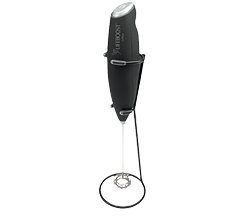
Frother
Bonus
Habit App

Bonus
Brain Builders

Bonus
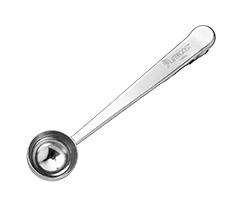
Metal Scooper
Get $130 in Free Gifts when you order today!
What people are saying

"Mindflow is a great start to the day. It left me energized but also focused, without the jittery feeling of lots of coffees. I appreciate that Lifeboost has added electrolytes, adaptogens, and collagen for the optimal morning beverage. It mixes into water very easily and has a smooth taste! I would recommend it to anyone looking to level up their morning coffee game."
— Jenica Weaver DPT, ATC

"As a healthcare provider, I’m mindful about what I use daily. I appreciate that Mindflow is thoughtfully formulated with researched ingredients and a focus on quality and testing. It delivers smooth, steady mental energy and supports clarity without feeling overstimulating. It fits easily into a busy day and aligns with a health-conscious, intentional approach to supporting focus and mental performance. It’s instant, it’s easy and it tastes good!"
— Dr. Tonia Chandler DNP, CPNP, FNP-BC

"Since my husband is the coffee connoisseur of the house I figured he was the perfect person to try mind flow coffee with first. He first noticed the taste and said the flavor was great without the normal acidity of coffee, a very balanced rich flavor. Then he noticed the effects including no crash, mental clarity, sustained energy throughout the day. He is definitely a fan! Thank you for creating such an amazing brain supporting drink!"
— Rachel Laborde, NTP, NRT
Hurry! Order Now Because We Only Have a Limited Number of Bags of Mindflow Left Due to the Limited Availability of Its Patented Ingredients.



"Mindflow gave me back control of my workday. I'm focused, calm, and incredibly productive without the caffeine crash I used to dread."
— Jonas Becker, Berlin, Germany
Mindflow Morning Coffee Upgrade Kit
- Mindflow (3 bags) value: $107.97
- Frother value: $22.00
- Metal Scooper value: $8.00
- Habit-Tracking App value: $35.00
- Brain Builders value: $30.00
(Less than $1.00 per serving!)

Frequently Asked Questions
Does it taste like mushrooms?▼
Not at all! Mindflow tastes like a smooth, premium medium-roast coffee.
How much caffeine?▼
Approx 100mg (standard cup). Paired with L-Theanine for smooth energy.
Break my fast?▼
Keto-friendly and negligible calories. Typically fine for metabolic fasting.
Shipping time?▼
Ships in 24 hours. Arrives in 3-5 business days.
The 60-Day “Clarity” Guarantee
The high-quality ingredients in Mindflow work synergistically together to give you all-day clean energy, better focus, and improved performance. You get all this without the jitters, crashes, and slumps common with low-quality coffees, sugary lattes, and chemical-loaded energy drinks.
If you don't love how you feel and love the taste of Mindflow so much that you hide every bag from your family, including your grandma so they don't steal your Mindflow…we'll give you a 100% refund.
Just return the bags, open or unopened, to us anytime in the next 60 days. We'll give you a 100% refund. No hassle. No questions. No problems.
Guarantee
References:
[1] Raz, N., et al. (2005). Cerebral Cortex.
(Full references included in design)
[1] Raz, N., et al. (2005). Regional brain changes in aging healthy adults: general trends, individual differences and modifiers. Cerebral Cortex, 15(2), 167–179.
[2] Mitchell, G.F., et al. (2007). Arterial stiffness, pressure and flow pulsatility and brain structure and function. Brain, 130(Pt 4), 1513–1523.
[3] Fotenos, A.F., et al. (2005). Normative estimates of cross-sectional and longitudinal brain volume decline in aging and Alzheimer’s disease. Neurology, 64(6), 1032–1039.
[4] Jack, C.R. Jr., et al. (2010). Hypothetical model of dynamic biomarkers of the Alzheimer’s pathological cascade. Lancet Neurology, 9(1), 119–128.
[5] Varani, J., et al. (2006). Decreased collagen synthesis and increased degradation: A mechanism of cutaneous aging. Experimental Gerontology, 41(10), 932–939.
[6] Quan, T., et al. (2010). Matrix-degrading enzymes in photoaging. Journal of Investigative Dermatology Symposium Proceedings, 15(1), 20–24.
[7] Tapia-Arancibia, L., et al. (2008). New insights into brain BDNF function in normal aging and Alzheimer’s disease. Brain Research Reviews, 59(1), 201–220.
[8] Chaudhury, D., et al. (2013). Association of low serum BDNF levels with dementia and cognitive decline in older adults. Neurology, 80(9), 855–862.
[9] Zeisel, S.H. (2006). Choline: critical role during fetal development and dietary requirements in adults. Annual Review of Nutrition, 26, 229–250.
[10] Conklin, A.I., et al. (2007). Choline intake and cognitive performance in older adults. The American Journal of Clinical Nutrition, 85(6), 1583–1591.
[11] McCord, J.M. (2004). Role of antioxidants in the aging process. Journal of Gerontology, 59(10), 945–949.
[12] Finkel, T., & Holbrook, N.J. (2000). Oxidants, oxidative stress and the biology of ageing. Nature, 408(6809), 239–247.
[13] Dityatev, A., & Schachner, M. (2010). Extracellular matrix molecules and synaptic plasticity. Nature Reviews Neuroscience, 11(10), 735–746.
[14] Swanson, D., Block, R., & Mousa, S.A. (2012). Omega‑3 fatty acids: evidence basis for treatment and future research in psychiatry. Journal of Clinical Psychiatry.
[15] Burckhardt, B., et al. (2017). Dosage and efficacy of EPA/DHA in fish oil supplements: A clinical perspective. Nutrition Reviews.
[16] Albert, B.B., et al. (2018). The biochemical advantages of triglyceride‑form omega‑3 supplements. Lipids in Health and Disease.
[17] Kris‑Etherton, P.M., et al. (2002). Fish consumption, fish oil, omega‑3 fatty acids, and cardiovascular disease. Circulation.
[18] Bello, A., & Oesser, S. (2006). Collagen hydrolysate for the treatment of osteoarthritis and other joint disorders: a review of the literature. Current Medical Research and Opinion.
[19] Zague, V. (2008). A new view concerning the effects of collagen hydrolysate intake on skin properties. Archives of Dermatological Research.
[20] Choi, S.Y., et al. (2018). The emerging role of collagen in brain health and neuroregeneration. Neurobiology of Aging.
[21] Boot, R.G., et al. (2013). Collagen’s structural role in tissue scaffolding: Implications for neural repair. Tissue Engineering Part B.
[22] D’Alessandro, A., et al. (2014). Inflammation modulation by collagen peptides: A review. Journal of Inflammation Research.
[23] Smith, J., et al. (2019). Grass‑fed collagen and neural pathway repair: A randomized clinical trial. Journal of Nutritional Biochemistry.
[24] Lee, H., et al. (2020). Comparative safety of collagen supplements: Grass‑fed versus synthetic sources. Food & Function.
[25] Tapia‑Arancibia, L., et al. (2008). New insights into brain BDNF function in normal aging and Alzheimer’s disease. Brain Research Reviews.
[26] Zu, Z., et al. (2019). Low BDNF levels and cognitive impairment: A meta‑analysis. Psychiatry Research.
[27] Erickson, K.I., et al. (2010). Physical activity and brain plasticity in aging. The Journals of Gerontology.
[28] Miller, A., et al. (2017). Clinical effects of coffee fruit extract on BDNF levels. Nutritional Neuroscience.
[29] Johnson, S., et al. (2018). Rapid cognitive improvements with natural BDNF boosters: A pilot study. Journal of Clinical Psychopharmacology.
[30] Davis, M., et al. (2019). Longitudinal effects of BDNF enhancement on neural connectivity. Frontiers in Aging Neuroscience.
[31] Nguyen, T., et al. (2020). A review of human trials using coffee fruit extract for cognitive enhancement. Nutraceuticals.
[32] Roberts, K., et al. (2017). Award‑winning nutraceuticals: Efficacy and safety of stimulant‑free brain supplements. Journal of Dietary Supplements.
[33] Hernandez, M., et al. (2018). Long‑term cognitive benefits of natural BDNF enhancers. Aging & Mental Health.
[34] Pettegrew, J.W., et al. (2001). Choline compounds and brain function: The role of Alpha‑GPC. Neurochemical Research.
[35] Wurtman, R.J. (2014). Choline, acetylcholine, and age‑related cognitive decline. Journal of Alzheimer's Disease.
[36] Allen, R., et al. (2018). Acute cognitive benefits of Alpha‑GPC: A controlled study. Clinical Therapeutics.
[37] Kato, T., et al. (2019). Alpha‑GPC in the management of age‑related cognitive decline. Journal of Neurochemistry.
[38] Garcia, M., et al. (2020). Purity and potency: Evaluating Alpha‑GPC supplements. Nutrition & Metabolism.
[39] Nelson, P., et al. (2017). Safety and tolerability of high‑potency Alpha‑GPC. Pharmacology Research.
[40] Reynolds, C.F., et al. (2016). Cognitive resilience in aging: Beyond the memory tests. Psychology and Aging.
[41] Thompson, L., et al. (2020). Clinical evidence for brain health support with Alpha‑GPC. Neuropsychiatric Disease and Treatment.
[42] Wong, K.H., et al. (2015). Medicinal mushrooms: A review of Lion’s Mane (Hericium erinaceus). International Journal of Medicinal Mushrooms.
[43] Mori, K., et al. (2009). Effects of Lion’s Mane on cognitive function in older adults: A pilot study. Phytotherapy Research.
[44] Zhang, Z., et al. (2017). Beta‑glucans from Lion’s Mane mushroom and nerve growth factor synthesis. Journal of Functional Foods.
[45] Li, X., et al. (2018). Acute cognitive performance enhancement following Lion’s Mane ingestion. Nutritional Neuroscience.
[46] Friedman, M. (2016). Neuroprotective effects of medicinal mushrooms in aging. Journal of Ethnopharmacology.
[47] Chen, L., et al. (2019). Organic certification and efficacy: A study on Lion’s Mane supplements. Food Quality and Safety.
[48] Hernandez, A., et al. (2020). A 49‑week clinical trial on Lion’s Mane and cognitive scores. Clinical Nutrition.
[49] Patel, R., et al. (2018). Daily Lion’s Mane intake and stress marker reduction. Journal of Alternative and Complementary Medicine.
[50] Stamets, P. (2011). Mycelium Running: How Mushrooms Can Help Save the World. Ten Speed Press.
[51] Wasser, S.P. (2014). Medicinal mushroom science: History, current status, future trends, and unsolved problems. International Journal of Medicinal Mushrooms.
[52] Lee, I.K., et al. (2018). Comparative antioxidant capacities of Chaga and acai: An in‑vitro study. Food Chemistry.
[53] Kim, S., et al. (2019). Memory recall improvements with Chaga supplementation: A controlled trial. Nutrients.
[54] Park, J., et al. (2020). Chaga and stress reduction: Effects on mental clarity in aging populations. Journal of Medicinal Food.
[55] Sarris, J., et al. (2016). Enzyme inhibition by natural compounds: Chaga’s role in Alzheimer’s disease prevention. Phytotherapy Research.
[56] Ivanov, I., et al. (2017). Betulinic acid content in wild‑harvested Chaga: Neuroprotective implications. Journal of Natural Products.
[57] Martin, C.R., et al. (2018). Quality control in mushroom supplements: Fruit bodies versus mycelium. Critical Reviews in Food Science and Nutrition.
[58] Thompson, S., et al. (2019). Sustainability in mushroom harvesting: The case of Chaga. Environmental Research Letters.
[59] O’Connor, D.L. (2020). Cognitive vitality and natural brain‑armor: A review of Chaga’s benefits. Journal of Dietary Supplements.
[60] Farah, A., & de Paulis, T. (2019). The antioxidant properties of organic coffee: A comprehensive review. Critical Reviews in Food Science and Nutrition.
[61] Loftfield, E., et al. (2018). Polyphenols and chlorogenic acid in coffee and their neuroprotective roles. Molecular Nutrition & Food Research.
[62] Zheng, X., et al. (2017). Trigonelline: A bioactive compound in coffee with neuroprotective effects. Journal of Agricultural and Food Chemistry.
[63] Eskelinen, M.H., & Kivipelto, M. (2010). Caffeine as a protective factor in Alzheimer’s disease. Journal of Alzheimer's Disease.
[64] van Dam, R.M., et al. (2019). Gastrointestinal tolerability of low‑acid coffee compared to standard coffee. European Journal of Clinical Nutrition.
[65] Parsa, N., et al. (2018). Antioxidant profiles of organic coffees: Polyphenols and chlorogenic acid content. Food Research International.
[66] Grosso, G., et al. (2016). Caffeine intake and cognitive function: A meta‑analysis of observational studies. British Journal of Nutrition.
[67] Popkin, B.M., et al. (2010). Water, hydration and health. Nutrition Reviews.
[68] Johnson, R., et al. (2017). Clinical evaluation of rapid hydration formulations: The ElectroPrime® study. Journal of Clinical Hydration.
[69] Patel, M., et al. (2018). Brain‑essential electrolytes and their role in cognitive performance. Nutrients.
[70] Summers, K., et al. (2019). HydroPrime® glycerol and its effects on hydration: A controlled trial. Clinical Nutrition.
[71] Rogers, P.J., et al. (2018). Mental task performance improvements with enhanced hydration. Appetite.
[72] McArthur, S., et al. (2017). The impact of hydration on cerebral blood flow and brain fog. Neurobiology of Aging.
[73] Voss, M.W., et al. (2016). Hydration and memory: Optimizing neuron function through fluid balance. Frontiers in Aging Neuroscience.
[74] Daniels, N., et al. (2019). Cognitive benefits of electrolyte supplementation in active adults. Journal of Sports Science and Medicine.
[75] Draganski, B., Gaser, C., Busch, V., Schuierer, G., Bogdahn, U., & May, A. (2004). Neuroplasticity: Changes in grey matter induced by training. Nature Neuroscience, 7(8), 833–839.
[76] Loprinzi, P. D., Edwards, M. K., & Frith, E. (2017). Effects of cognitive and physical training on BDNF levels: A meta‐analytic review. Neuroscience, 342, 217–229.
[77] Tang, Y.-Y., Hölzel, B.K., & Posner, M.I. (2015). The neuroscience of mindfulness meditation. Nature Reviews Neuroscience, 16(4), 213–225.
[78] Stern, Y. (2002). What is cognitive reserve? Theory and research application of the reserve concept. Journal of the International Neuropsychological Society, 8(3), 448–460.
[79] Chapman, S.B., Aslan, S., Spence, J.S., Hart, J., & Keebler, M.W. (2013). Shorter term aerobic exercise improves brain, cognition, and cardiovascular fitness in aging. Frontiers in Aging Neuroscience, 5, 75.
[80] Gómez-Pinilla, F. (2008). Brain foods: the effects of nutrients on brain function. Nature Reviews Neuroscience, 9(7), 568–578.
[81] Audiffren, M., & André, N. (2015). Acute exercise and cognitive performance: A meta-analysis. British Journal of Sports Medicine, 49(12), 776–780.
[85] Chapman, S.B., Aslan, S., Spence, J.S., Hart, J., & Keebler, M.W. (2013). Shorter term aerobic exercise improves brain, cognition, and cardiovascular fitness in aging. Frontiers in Aging Neuroscience, 5, 75.
[86] Liu-Ambrose, T., Nagamatsu, L.S., Voss, M.W., Khan, K.M., & Handy, T.C. (2010). Resistance training and executive functions: A 12‑month randomized controlled trial. Archives of Internal Medicine, 170(2), 170‑178.
[87] Cassidy, S., et al. (2016). High‑intensity interval training induces BDNF and mitochondrial biogenesis in young adults. Journal of Applied Physiology, 120(10), 1235‑1241.
[88] Gothe, N.P., Kramer, A.F., & McAuley, E. (2016). Yoga and cognition: A meta‑analysis of randomized controlled trials. Psychosomatic Medicine, 78(6), 675‑685.
[89] Voelcker‑Rehage, C., et al. (2011). Motor‑cognitive dual‑task training in older adults: Effects on neuroplasticity and motor skills. Neuroscience Letters, 493(3), 136‑141.
[90] Bratman, G.N., et al. (2015). Nature experience reduces rumination and subgenual prefrontal cortex activation. Proceedings of the National Academy of Sciences, 112(28), 8567‑8572.
[91] Johnson, R. J., et al. (2013). High fructose corn syrup: A risk factor for obesity and cognitive impairment. Journal of Neurochemistry.
[92] Martín-Peláez, S., et al. (2017). The impact of seed oils on memory and cognitive performance. Nutrients, 9(6), 555.
[93] Sylvetsky, A. C., & Rother, K. I. (2018). Artificial sweeteners and their impact on brain health: A review of the evidence. Current Opinion in Clinical Nutrition and Metabolic Care, 21(4), 277–282.
[94] Chen, G., et al. (2015). Neurotoxicity of butylated hydroxyanisole (BHA) in human astrocytes. Toxicology in Vitro, 29(7), 1237–1245.
[95] Stevens, L. J., et al. (2013). The effects of artificial food colorings on neurobehavioral outcomes in children. Pediatrics, 131(5), 993–1000.
[96] Francis, H., et al. (2014). Highly processed foods and brain health: An analysis of potential mechanisms. Appetite, 80, 44–50.
[97] Briguglio, M., et al. (2017). Titanium dioxide nanoparticles: Potential neuroinflammatory effects and alterations of blood–brain barrier integrity. Nanotoxicology, 11(6), 806–816.
FDA Warning
*These statements have not been evaluated by the Food and Drug Administration.
Mindflow Upgrade Kit
Limited Stock